Pope Francis addressed this most fully in his 2015 encyclical Laudato Si’: On Care for Our Common Home, and later touched on it again in Laudate Deum (2023).
On waste and the “throwaway culture”
Francis was sharply critical of what he called a “throwaway culture” (cultura del descarte). He argued that:
- Modern economies treat both goods and people as disposable — the same logic that discards a broken appliance also discards the poor, the elderly, and the marginalized.
- The Earth itself is being treated like an “immense pile of filth.” He pointed to the massive volumes of waste generated by consumer societies, much of which isn’t biodegradable — plastics, chemicals, electronic waste, agricultural and industrial byproducts — and criticized how little of it is recycled or reused compared to how much is produced.
- He linked this to a broader “culture of waste” that affects everything: we produce too much, consume carelessly, and discard both objects and relationships without concern for the effects on the planet or on other people, especially the poor who suffer disproportionately from pollution.
- He called for a shift from a linear economy (extract, use, discard) toward something closer to a circular model, and for wealthier nations and individuals to take responsibility for reducing consumption rather than exporting the costs of waste to poorer regions.
Pollution is actually the very first topic Pope Francis tackles in Laudato Si’, in the opening chapter “What Is Happening to Our Home.” He treats it as the most immediate, visible symptom of a deeper crisis.
Types of pollution he names
- Everyday pollution from industry, transportation, and waste — he points to smog, chemical runoff, and toxins that harm ecosystems and human health, especially of people living near polluting industries.
- Pollution from technology itself — Francis is careful to say technology isn’t the villain, but that when tied to a purely economic, short-term logic, it produces harmful byproducts faster than the Earth can absorb or process them.
- Air, water, and soil pollution together — he treats these as interconnected, not separate problems, consistent with his broader theme of “integral ecology” (everything is connected).
- “Pollution” of a more abstract kind — he also extends the term metaphorically to describe the moral and cultural effects of consumerism: a kind of psychological or spiritual pollution from noise, distraction, and the “compulsive consumerism” that a “throwaway culture” produces.
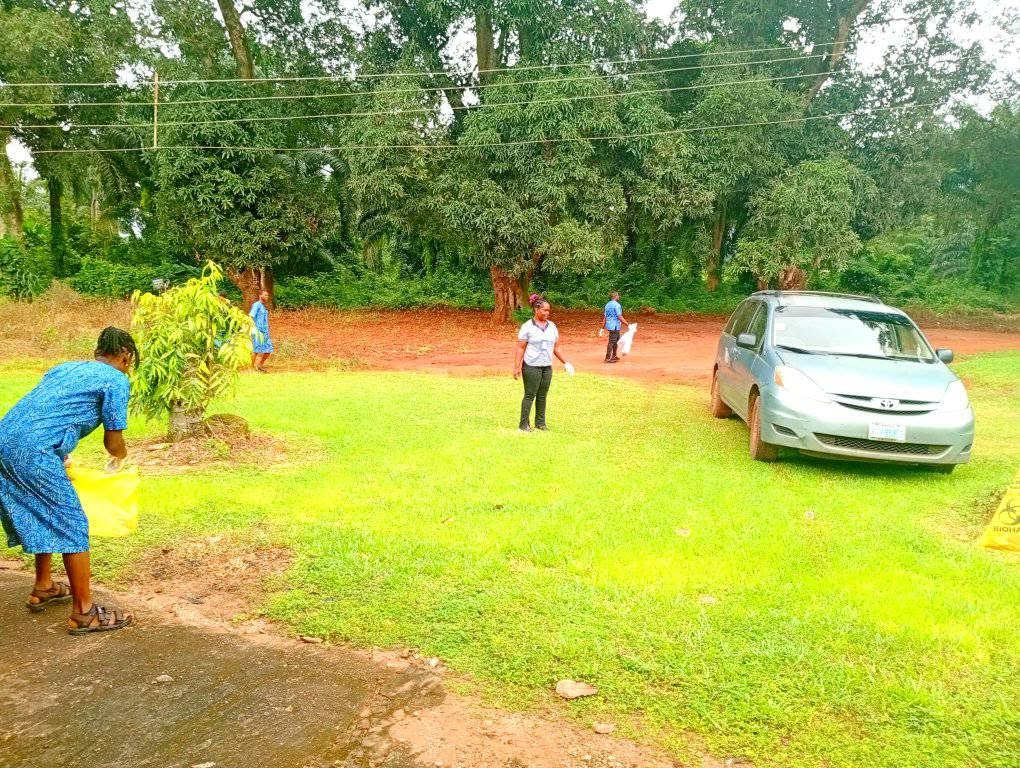
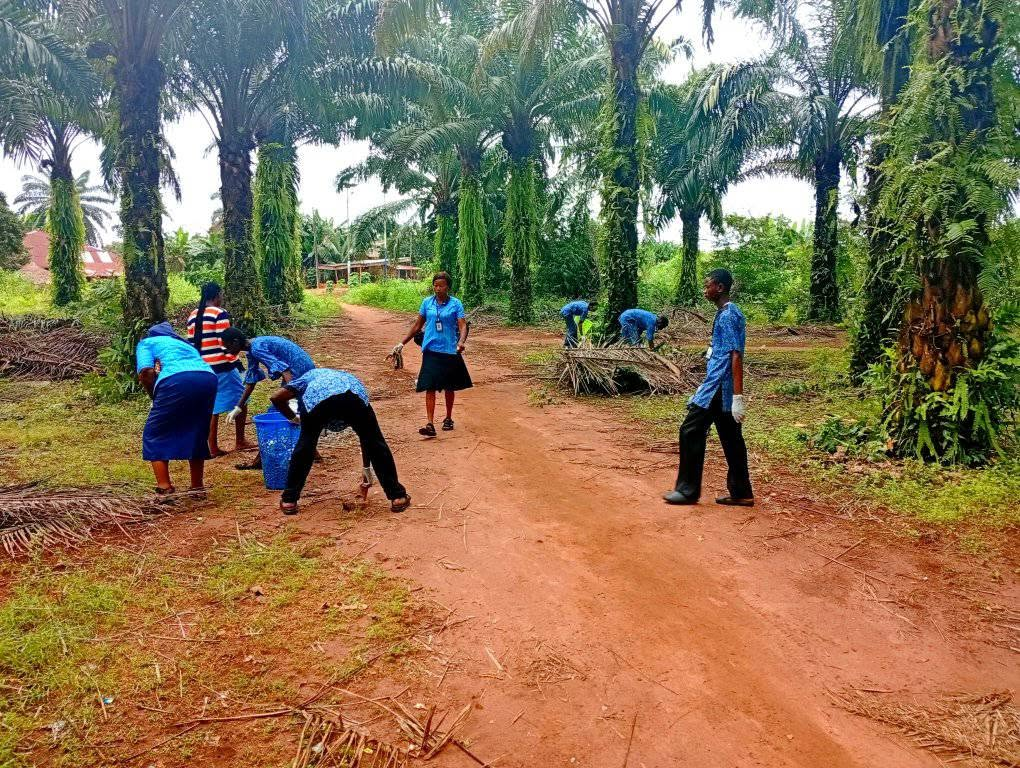
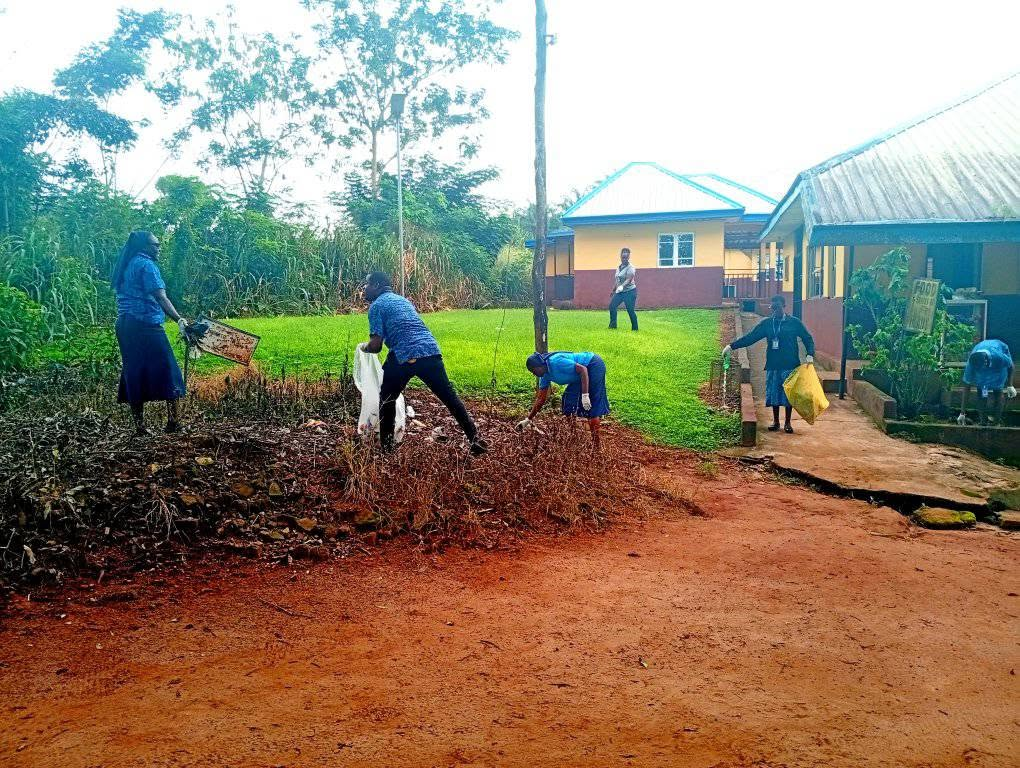
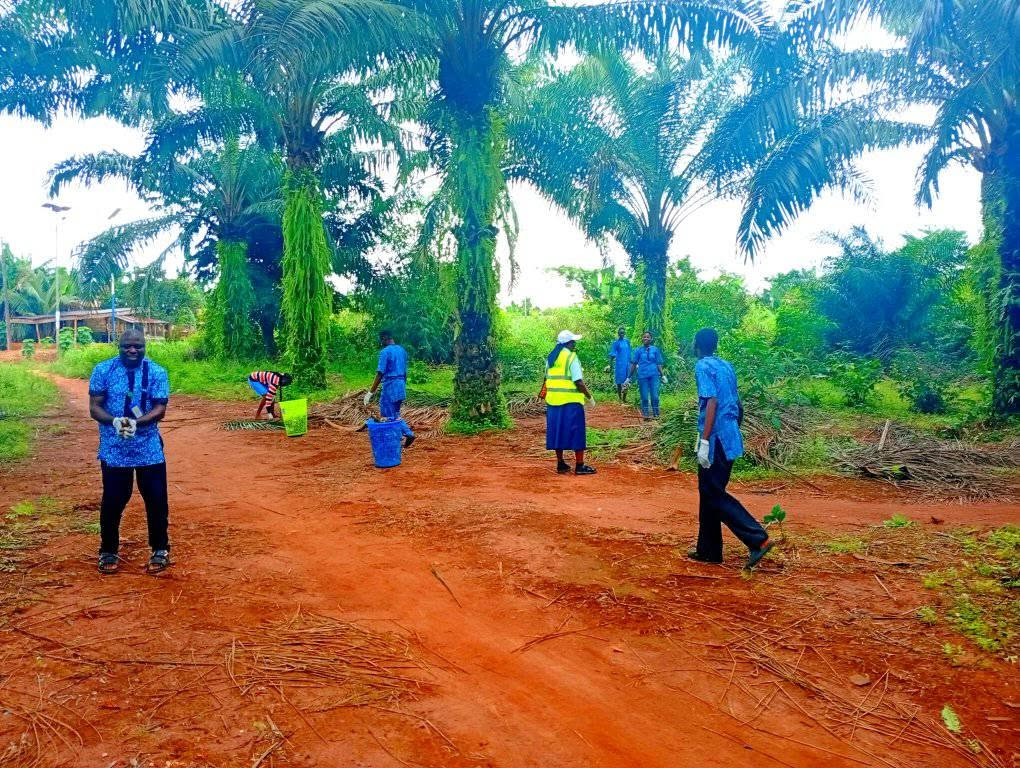
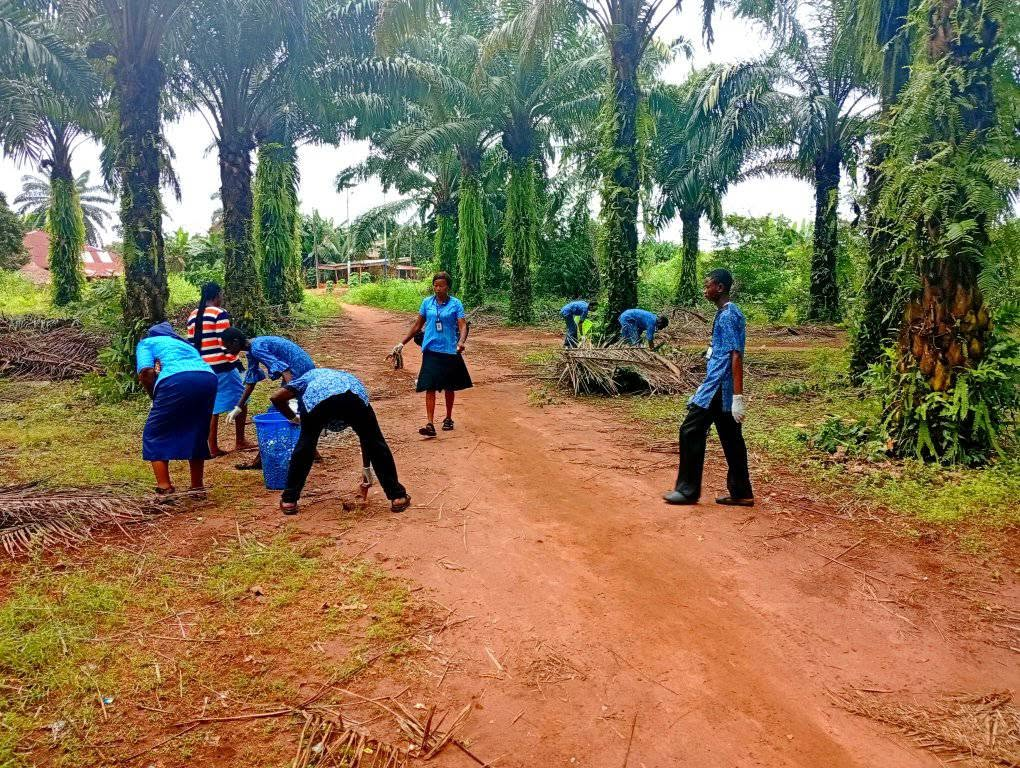
As we tender God’s garden together through daily sanitation.
We encourage the society to protect the environment against the degradation of the earth ” our common home”