
Lupus is a chronic autoimmune disease, which means the body’s immune system mistakenly attacks its own healthy tissues and organs. It can affect many parts of the body, including the skin, joints, kidneys, heart, lungs, blood cells, and brain.
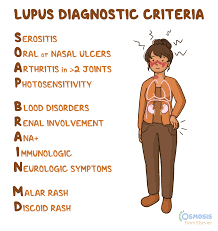
The most common type is systemic lupus erythematosus (SLE).
Common symptoms
Symptoms can vary widely from person to person, but often include:
- Fatigue
- Joint pain or swelling
- Skin rashes (especially a butterfly-shaped rash across the cheeks and nose)
- Fever
- Sensitivity to sunlight
- Hair loss
- Chest pain
- Kidney problems
Symptoms may come and go in periods called flares and remission.
Causes
The exact cause isn’t fully understood, but lupus is thought to result from a combination of:
- Genetics
- Hormones
- Environmental triggers (such as infections, sunlight, or certain medications)
Who gets lupus?
Lupus can affect anyone, but it is more common in:
- Women, especially ages 15–45
- People with a family history of autoimmune disease
Diagnosis
Doctors diagnose lupus using:
- Symptoms and physical exams
- Blood tests (such as ANA tests)
- Urine tests
- Imaging or biopsies in some cases
Treatment
There is no cure yet, but treatment can help control symptoms and prevent organ damage. Treatments may include:
- Anti-inflammatory medicines
- Corticosteroids
- Immune-suppressing drugs
- Antimalarial drugs like Hydroxychloroquine